Shimla Height from Sea Level
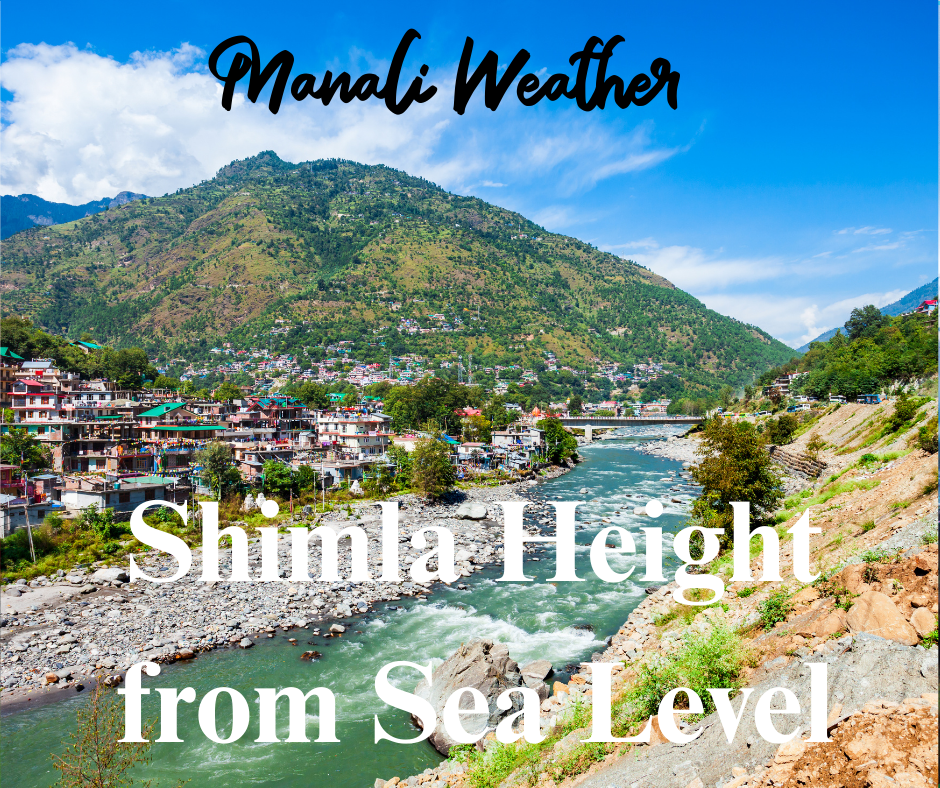
Shimla Height from Sea Level: Shimla Elevation & Its Impact on Weather & Tourism
A practical guide to Shimla altitude, how being above sea level shapes the city’s climate, and what it means for your travel plans.
Understanding the Shimla height from sea level can enhance your travel experience.
Shimla Elevation — Quick Facts
| Shimla height from sea level (town) | ≈ 2,200–2,206 m (about 7,230 ft) |
| Jakhoo Hill (city’s highest point) | ≈ 2,438–2,455 m (≈ 8,000+ ft) |
| Kufri (nearby hill station) | ≈ 2,510 m (≈ 8,235 ft) |
| Coordinates & ridge setting | Shimla stretches along a Himalayan ridge with multiple spurs—views in every direction. |
Shimla Height From Sea Level: 5 Facts on Elevation & Weather
Ever wondered why you need a warm jacket for a summer evening in Shimla when the plains below are sweltering? The secret isn’t the season—it’s the city’s incredible height. This dramatic elevation is the single biggest factor shaping everything from its cool climate to the crisp, fresh feeling of its mountain air.
The Shimla height from sea level not only defines its climate but also impacts its charm.
So, just how high is it? The city’s official records place Shimla’s average elevation at a staggering 7,467 feet (2,276 meters) above sea level. To help you picture that, imagine stacking more than seven Eiffel Towers on top of one another—that’s the incredible vertical distance from the coast to this Himalayan haven.
This Shimla height from sea level contributes to its unique weather patterns.
That figure is an average for a city sprawling across hills. In practice, many of Shimla’s most famous spots, including the iconic promenade on The Ridge, sit right around this mark. This elevation is precisely why The Ridge and the entire city feel a world away from anywhere else.
When considering the Shimla height from sea level, it’s important to note the various attractions it offers.
How Shimla’s Altitude Creates Its Famous Climate
The reason you need a jacket in Shimla, even when the plains are hot, lies in a simple scientific principle. Think of the Earth’s atmosphere as a thick, cozy blanket. At sea level, you’re under the thickest part, which traps the sun’s heat effectively. As you climb to Shimla’s height, you’re moving toward the top where the blanket is much thinner. This thinner air can’t hold onto heat as well, leading to cooler, more pleasant temperatures year-round.
The Shimla height from sea level allows for a diverse range of weather conditions.
This high-altitude cooling follows a surprisingly predictable pattern. As a general rule, for every 1,000 feet you ascend, the temperature drops by about 3.5°F (or roughly 6.5°C for every 1,000 meters). Given Shimla’s elevation, this simple math is why its summer days are so famously comfortable, often staying below 77°F (25°C), while its winters reliably bring the cold needed for snowfall.
This means the Shimla height from sea level is a critical factor for visitors to consider.
This effect is the single most important factor to consider when packing for your trip. It explains why even on a sunny summer day, the evenings can turn brisk enough for a sweater, and why visiting between December and February absolutely requires heavy woolens. But the cool temperatures are only half the story. The thinner air that keeps it cool also has another noticeable effect on your body.
Travelers often marvel at how the Shimla height from sea level affects their experience.
The ‘Thinner Air’—Is Altitude Sickness a Concern in Shimla?
That thinner air also means there’s a little less oxygen in every breath. Imagine the oxygen particles are simply more spread out up here. This is why you might feel slightly more winded than usual after climbing a set of stairs—it’s a perfectly normal sign that your body is starting to adapt to its new environment, a process known as acclimatization.
This brings up a common question: what about altitude sickness? The great news is that Shimla’s elevation is considered moderate, and severe altitude sickness is very rare for visitors. It’s far more common to experience a mild adjustment period for the first day. You might notice a slight headache, be a little breathless walking uphill, or feel more tired than usual. This is just your body getting used to the change.
Helping your body adapt is easy. The best approach is to simply take it slow on your first day.
Walk at a relaxed pace and save the big hikes for later.
Drink plenty of water to stay well-hydrated.
Avoid heavy meals or too much alcohol, which can make you feel sluggish.
These simple tips are usually all it takes to feel your best. This adjustment period is important to remember, especially when comparing Shimla to other popular, and sometimes much higher, hill stations.
Fact 4: How Shimla Stacks Up—An Altitude Comparison to Manali and Kufri
Knowing that Shimla sits at a moderate altitude helps put other destinations into perspective, especially if you’re planning a wider trip. Many travelers are surprised to learn that Shimla, at 2,276 meters (7,467 ft), is actually slightly higher than the main town of Manali, which rests at about 2,050 meters (6,726 ft). While the difference isn’t massive, it clears up a common misconception for anyone planning a tour through Himachal Pradesh.
This awareness of the Shimla height from sea level can enhance your travel planning.
This difference becomes far more noticeable when you visit the popular nearby spot of Kufri. Perched at roughly 2,720 meters (8,924 ft), Kufri is nearly 500 meters higher than Shimla. That significant jump in elevation is exactly why Kufri is often colder and receives more reliable winter snow, making it a prime destination for snow-based fun and adventure sports.
These comparisons help you pack smart—that extra layer for a Kufri day trip suddenly makes perfect sense. But you don’t need to leave Shimla to go higher. The city’s own highest point offers a perfect example of changing altitude right on your doorstep.
Fact 5: Reaching New Heights at Shimla’s Peak, Jakhoo Hill
At Jakhoo Hill, you can truly appreciate the Shimla height from sea level.
That highest point is the famous Jakhoo Hill. While best known for its giant, saffron-colored Hanuman statue that watches over the town, it also proudly holds the title for the city’s peak elevation.
Standing tall at 2,455 meters (8,054 feet), Jakhoo Hill is noticeably higher than the main town below. This jump in altitude is something you can feel as you make the trek or ride the ropeway up—the air grows crisper, and the views open up dramatically with every foot you gain.
This vantage point delivers more than just a great photo; it provides the best panoramic views of the surrounding Himalayan ranges. Reaching the summit is the perfect way to appreciate why Shimla earned its title as the ‘Queen of Hills,’ tying together the entire high-altitude experience that makes this destination a cornerstone of Shimla tourism.
FAQs — Shimla Height, Weather & Travel
Understanding the Shimla height from sea level can help you prepare better for your trip.
Q. What is Shimla’s exact height from sea level?
Shimla sits around 2,200–2,206 metres above sea level, depending on the locality along the ridge.
Q. Is Shimla colder than other hill towns?
Shimla is pleasantly cool in summer; in winter it’s cold, with snowfall more likely on nearby higher points like Kufri and Jakhoo, which sit above the town.
Q. Does elevation affect when I should visit?
Yes. For cool weather escapes, April–June is ideal. For snow chances, target December–February and keep plans flexible based on forecasts at higher altitudes.
Key Takeaway
The Shimla height from sea level is the reason the city delivers café-lined promenades with mountain air, gentle summers, and moody, snow-tipped winters just a short drive away. If you want a heritage-rich escape with reliable comfort—and the option to chase cooler, higher viewpoints—Shimla’s elevation gives you exactly that.
The Shimla height from sea level is crucial in determining what to expect during your visit.
Sources & Further Reading
About The Author








1 thought on “Shimla Height from Sea Level”