Himachal Pradesh Trekking Weather
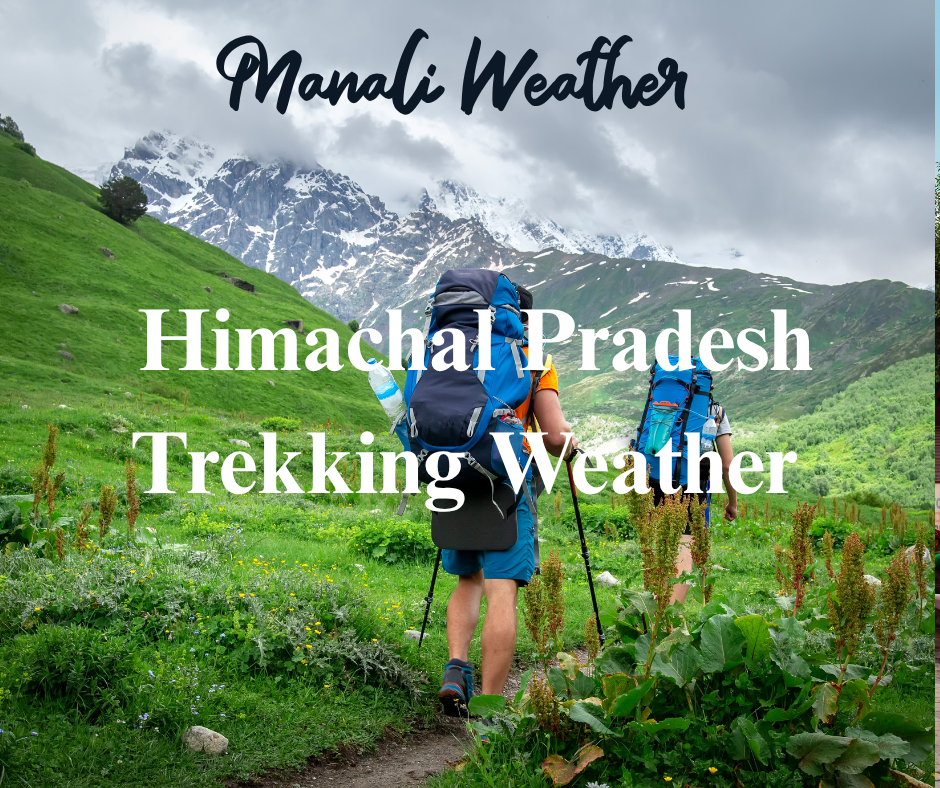
Himachal Pradesh Trekking Weather: Ultimate Guide 2025
Here’s a mistake many first-time trekkers make: They check the weather for Manali, see a pleasant 20°C, and pack accordingly. They’re often shocked to find themselves shivering in near-freezing temperatures just a day later on the trail. Mountain weather plays by different rules, and this guide is your rulebook. We’ll cover everything from the average temperature during Hamta Pass trek to the broader Himachal Pradesh trekking temperature by month.
As a general rule, you lose about 1°C for every 150 meters you climb. Let’s make that real. According to trekking guides, if Dharamshala at 1,457m is a warm 25°C, the Triund top roughly 1,400 meters higher will be around 9-10°C cooler. Your warm day just became a brisk 15°C afternoon—and that’s before the sun even sets.
When the sun disappears, that 15°C can easily plummet towards 2°C. This massive daily temperature swing is why you can feel hot while trekking uphill and then freezing at your campsite. Grasping these microclimates and dramatic shifts is the key to comfort and safety, turning your packing list from a guessing game into a smart strategy and ensuring you have the right layers for any moment on the trail.
Decoding the Trekking Calendar: Your Guide to Himachal’s Four Key Seasons
Figuring out the best season for trekking in Himachal Pradesh can feel confusing, but it’s simpler than you think. While we are all familiar with the four standard seasons, experienced trekkers and local guides operate on a more practical calendar. It’s a timeline divided by the one weather event that changes everything in the Himalayas: the monsoon. This gives us four distinct periods: Pre-Monsoon, Monsoon, Post-Monsoon, and Winter.
The two prime windows for most treks fall just before and just after the rains. The Pre-Monsoon season (roughly March to June) is when the landscape awakens. Think lush green valleys, vibrant wildflowers, and exciting traverses over melting snow—ideal for experiencing the vibrant himachal summer trekking conditions. In contrast, the Post-Monsoon period (mid-September to November) is famous for its crisp, stable weather. The monsoon has washed the air clean, leaving behind breathtakingly clear views of the snow-dusted peaks against deep blue skies.
Outside of these ideal windows, trekking becomes much more challenging. The peak Monsoon (July and August) brings heavy, persistent rain that creates slippery trails, dense fog, and often obscures the mountain views you came for. Following that, Winter (December to February) blankets the high-altitude trails in deep snow, making most routes inaccessible due to extreme cold and avalanche risk, except for a few specialized snow treks.
This rhythm is the key to planning a safe and spectacular trip. Each season offers a completely different personality, and your choice determines whether you’ll be walking through blooming rhododendrons or gazing at crystal-clear peaks.
Spring & Summer (March-June): Wildflowers, Melting Snow, and Afternoon Showers
This first window of opportunity, from March to June, is when the Himalayas dramatically awaken from winter. Early in the season, trails at higher elevations are often still blanketed in snow, creating a thrilling challenge. As the weeks pass, this snow recedes, giving way to lush green meadows and an explosion of wildflowers in May. This vibrant, ever-changing scenery is a key difference when comparing pre-monsoon vs post-monsoon trekking conditions; one is about rebirth and vibrant greens, while the other offers crystal-clear, settled views.
The weather during this season follows a classic and predictable daily rhythm. Mornings almost always start brilliantly sunny and clear, offering fantastic views. However, as the sun heats the valleys, moisture rises, causing clouds to build over the peaks by noon. This pattern means that an afternoon shower, which can be short but intense, is very common. This is typical Triund trek weather in May, where you can start your hike in the warm sun and find yourself reaching for a rain jacket by the time you reach the top.
Because of this daily cycle, the most valuable of all himachal summer trekking conditions and tips is to start your day early. The goal is to get the majority of your climbing done while the skies are clear and then descend or reach camp before the afternoon weather sets in. It’s a crucial lesson in mountain safety: never trust a perfect blue sky in the morning. This pattern of building clouds and afternoon rain only intensifies as July approaches, bringing us to the most challenging season of all.
Is It Safe to Trek in Himachal During Monsoon (July-August)? The Unfiltered Truth
Trekking in most of Himachal Pradesh during the peak monsoon months of July and August is not recommended. The afternoon showers of June transform into days of relentless rain, creating conditions that are not just unpleasant but often dangerous. The primary concerns when dealing with rain on a Himachal trek during this time are:
Slippery Trails: Constant downpours turn paths into slick mud and make rocks treacherous, significantly increasing the risk of falls and injuries.
Zero Views: You came for the majestic peaks, but you’ll likely be trekking inside a thick cloud, with heavy fog obscuring any chance of a view.
Leeches: The wet, humid conditions on lower-altitude forest trails bring out armies of leeches.
Landslide Risk: Saturated soil increases the danger of landslides, which can block roads and, in rare cases, compromise the trail itself.
But what if you can only travel during these months? There is a fascinating exception: the high-altitude desert valleys of Lahaul and Spiti. These regions lie in a “rain shadow,” a simple but powerful weather phenomenon. The massive Himalayan ranges to the south act as a giant wall, blocking the heavy monsoon clouds from ever reaching these valleys. While the rest of Himachal is being drenched, Spiti remains overwhelmingly dry and sunny. This makes it a prime monsoon trekking destination, and a Spiti Valley trek temperature guide will show pleasant daytime weather perfect for hiking.
This stark contrast means that while trekking is on hold in places like Kullu and Kangra, the trails in Spiti are in their absolute prime. For everywhere else, the best advice is to wait for the rains to pass. As the monsoon recedes, it washes the atmosphere clean, setting the stage for what many consider the most spectacular season of all.
Autumn’s Golden Season (September-November): For Crisp Air and Perfect Views
That spectacular season is Autumn. From mid-September to November, the reward for waiting out the monsoon is immense. The rains have washed the atmosphere, leaving behind brilliantly clear skies and stable weather. This is widely considered the best season for trekking in Himachal Pradesh, offering long, sunny days that make your journey safer and more predictable than the volatile months that come before it.
For photographers and anyone seeking classic mountain views, this is paradise. The crisp air reveals distant peaks in stunning detail. When comparing autumn vs spring trekking weather in Himachal, autumn’s signature is this unmatched clarity and the golden hues sweeping across meadows. It’s the season for postcard-perfect shots of snow-dusted mountains against an impossibly blue sky—the very images that inspire a Himalayan adventure.
There is a trade-off for these perfect skies, however. While daytime trekking is pleasantly warm, the nights get cold, fast. Without clouds to act as a blanket, temperatures can drop below freezing once the sun sets. The average temperature during a trek like the Hampta Pass can swing dramatically from a comfortable day to a frosty night. This is precisely why knowing how to layer your clothing is not just a suggestion—it’s essential for staying comfortable and safe.
How to Pack for Unpredictable Weather: The 3-Layer System That Always Works
So how do you pack for a day that can feel like both summer and winter? The answer isn’t a single magical jacket, but a smart, adaptable method called the 3-layer system. This isn’t about wearing three heavy sweaters; it’s about combining three distinct types of clothing, each with a specific job. Mastering this simple concept is the single most important skill for staying comfortable and safe in the mountains.
Your first and most critical piece is the base layer, which sits directly against your skin. Its only job is to wick sweat away from your body to keep you dry. This is vital because getting wet from your own sweat is the fastest way to get cold when you stop moving. This is also why you must avoid cotton—it acts like a sponge, holding moisture and chilling you to the bone. Always choose synthetic fabrics (like polyester) or merino wool for this layer.
Next comes the mid-layer, which is your insulation. Think of a classic fleece jacket or a light puffy vest. This layer’s job is to trap the body heat that the base layer has helped keep dry. It creates a pocket of warm air around your torso, acting as your personal heater against the cold. Depending on the forecast, this layer can be light or heavy, but its function remains the same: to provide warmth.
Finally, the shell layer acts as your armour against the elements. This is your windproof and waterproof jacket that protects you from rain, snow, and biting winds that can strip away your warmth in seconds. By starting the day with all three and then removing or adding layers as you heat up or cool down—shedding your mid layer on a sunny climb, zipping up your shell on a windy ridge—you gain complete control over your comfort.
From Weather Worrier to Confident Trekker: Your Final 3-Step Plan
Understanding Himachal’s trekking weather transforms worry into confident planning. By knowing the seasonal rhythms and how altitude affects temperature, you already have your most important piece of gear. With that knowledge, you can create a concrete plan for a successful trek.
Your 3-Step Weather Action Plan:
Pick Your Season Based on Your Goal: Aim for autumn (September-November) for clear views, spring (March-June) for wildflowers, the monsoon exception (July-August) for Spiti’s rain shadow, or specialized winter treks for snow.
Pack Smart with the 3-Layer System: Master the Base (wicking), Mid (insulation), and Shell (protection) layers to adapt to any condition and stay comfortable all day.
Check Altitude-Specific Forecasts & Trust Your Guide: Use a reliable weather forecast for the trail itself, not just the nearest town, and always listen to the expertise of your local guides.
Following these steps turns unpredictability from a threat into a manageable part of the adventure. Being prepared allows you to focus on the incredible views and the feeling of accomplishment, not on being cold or wet. The mountains are waiting, and now you know exactly how to meet them.
Why Weather Matters for Trekking in Himachal
Trekking is not just about the trail; it’s about timing. The right weather ensures safety, better visibility, comfort, and access to higher altitudes. Himachal Pradesh, with its diverse elevations and terrain, experiences different weather conditions throughout the year. A trek in May will feel very different from a trek in September, even on the same route.
Month-by-Month Weather Summary for Trekking
| Month | Avg Temp (°C) | Weather Highlights |
|---|---|---|
| January | -5 to 8 | Snow trekking, icy trails |
| February | -2 to 10 | Fresh snow, fewer tourists |
| March | 0 to 15 | Spring begins, clear views |
| April | 5 to 20 | Snow melting, green valleys |
| May | 10 to 22 | Best for moderate treks |
| June | 15 to 25 | Ideal for high-altitude routes |
| July | 18 to 24 | Rainy season begins |
| August | 18 to 24 | Landslides possible, fewer treks advised |
| September | 12 to 22 | Clear skies, great for trekking |
| October | 8 to 18 | Golden landscapes, less rain |
| November | 2 to 15 | Dry and cold, pre-winter chill |
| December | -2 to 10 | Snow starts, winter treks open |
Final Thoughts
Trekking in Himachal Pradesh is all about timing and preparation. With its ever-changing climate and altitude, weather awareness is key to safety and enjoyment. Whether you’re planning a snowy winter adventure or a breezy summer hike, understanding Himachal Pradesh trekking weather will help you pack right, choose the right trail, and stay safe on your journey.
For the latest monthly weather updates, trail conditions, and seasonal guides, keep checking ManaliWeather.com — your trusted weather companion in the Himalayas.
Manali Monsoon Weather | River Rafting in Manali
About The Author